







Search Results for: Coffee Blends
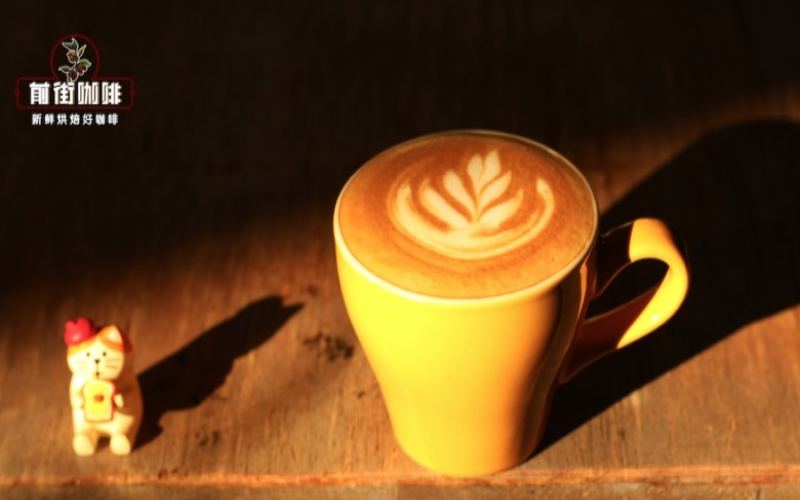
Bean Choices for Latte: From Classic Blends to Fruity Blends
The choice of beans for a latte determines the flavor direction of the final drink. From classic rich blends to fruity blends, different bean types each have their own characteristics when used in a latte. Understanding how different beans perform in a latte gives you a richer range of options when selecting beans. Classic rich blends are the traditional choice for a latte. Front Street Coffee's classic blend is made from [more…]
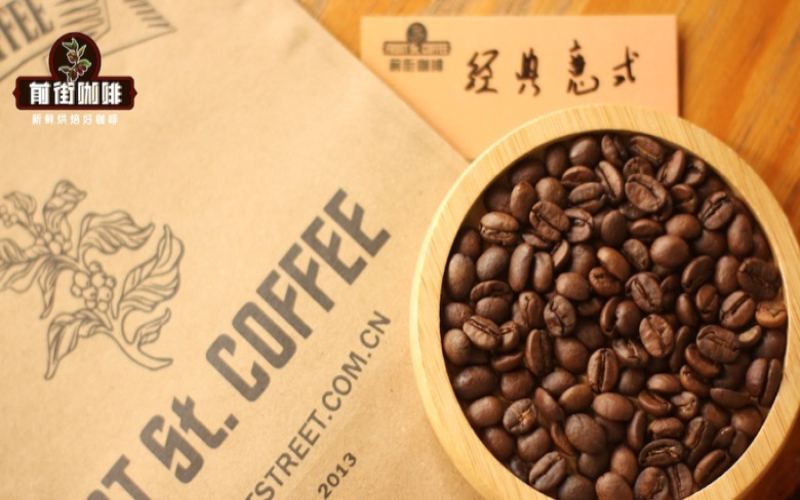
An Advanced Bean List for Home Machine Users: A Nine-Coffee Route from Blends to Single Origins
Home espresso enthusiasts all reach a point: once you've settled into a comfortable daily blend, you start wanting to see farther horizons. This article lays out a progressive bean list route, with nine beans arranged by style progression, each step having a clear flavor goal. The starting station is the depth of blends. Commercial blends and specialty blends solve the "easy everyday drinking" [more…]
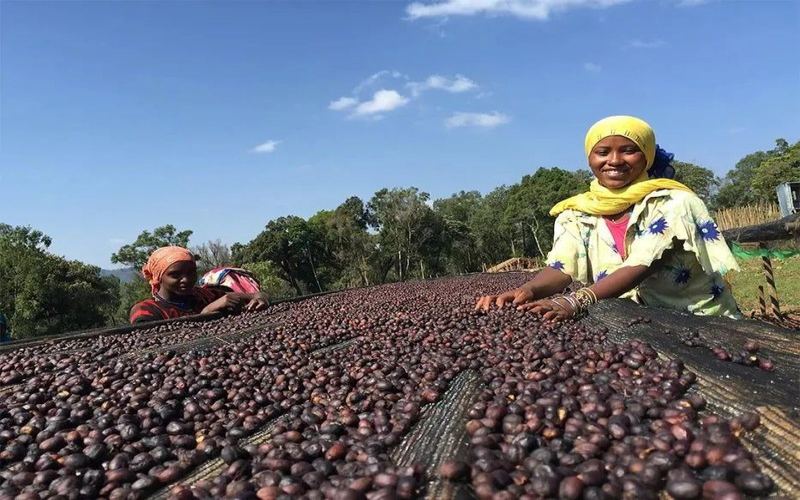
How to Choose Between Espresso Blends and SOE: Balancing Budget and Drinking Frequency
When it comes to espresso blends and SOE, we should start with the actual taste in the cup. For everyday bean buying, you need to consider how quickly you'll drink them, how much to buy at once, and whether you mainly make black coffee or milk coffee at home. The roast level of coffee beans determines the basic taste, the origin and processing method bring aroma differences, and the equipment you use will change the concentration, so when choosing beans you need to take [more…]
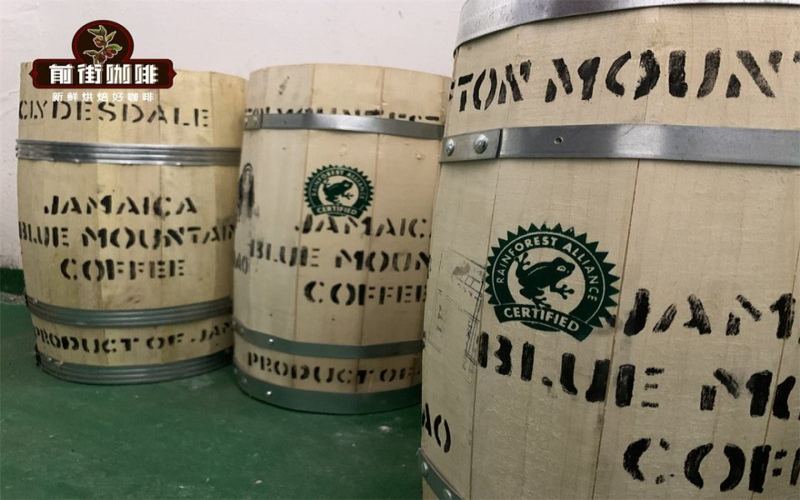
Which tastes better, a blend or an SOE? Choose by roast level to better suit your taste.
Whether coffee tastes good often depends on how well the roast level and the brewing method complement each other. Blends combine beans from different origins or lots, while SOE usually refers to espresso made from a single origin or single lot. There is no fixed answer for the two—light roasts highlight aroma, medium roasts highlight sweetness, and dark roasts highlight body. According to your [more…]

How to Choose Between Espresso Blends and SOE: Judging Flavor and Brewing Method by Roast Level
When comparing espresso blends and SOEs side by side, you can't just look at the labels "blend" or "single origin"—the roast level often determines the character of the cup more quickly. Also used for espresso machines, a light roast tends toward bright fruit acidity, a medium roast emphasizes sweetness and balance, and a dark roast brings cocoa, nuts, and a fuller mouthfeel. [more…]
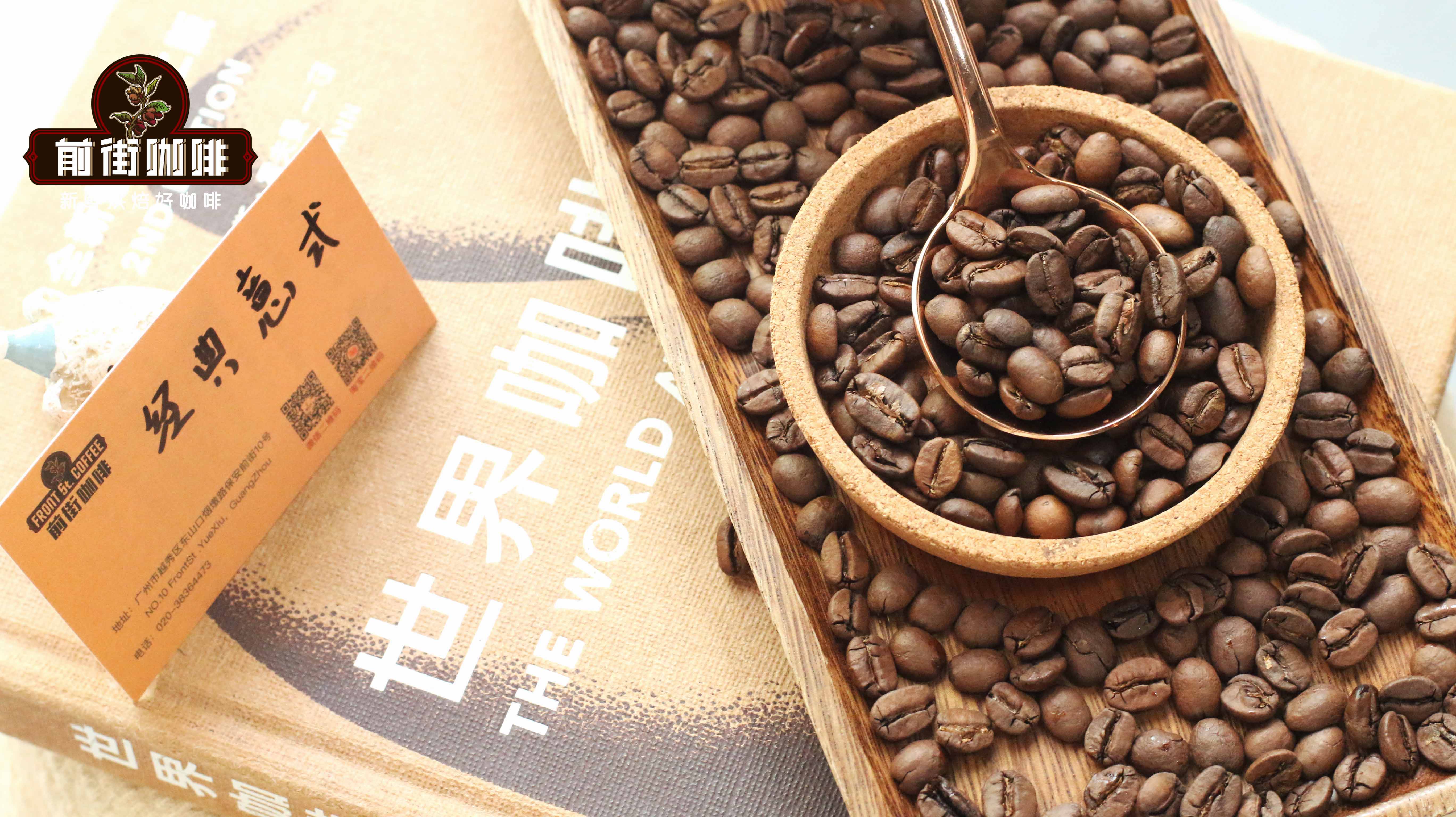
Home Espresso Beans | Why Are Espresso Beans Mostly Blends? Recommended High-Quality, Cost-Effective Blends Suitable for Espresso Extraction
When it comes to espresso beans, many people may first think of blended beans. Front Street Coffee believes that this is not entirely wrong, but not entirely right either. Because nowadays espresso beans are not only made from blends, but also from single-origin coffee beans, known as SOE. For coffee beginners who want to make a delicious cup of coffee [more…]
Roast Depth Sets the Direction: How to Choose Between Espresso Blends and SOE
When comparing espresso blends and SOE side by side, looking at the roast level first gives you a better handle on things. When beans are roasted light, the floral and fruity notes from the origin and variety come through more vividly; as the roast moves toward medium-dark, nutty, cocoa, and caramel notes along with a fuller body gradually take over. Blends often combine the characteristics of different beans, while SOE concentrates [more…]
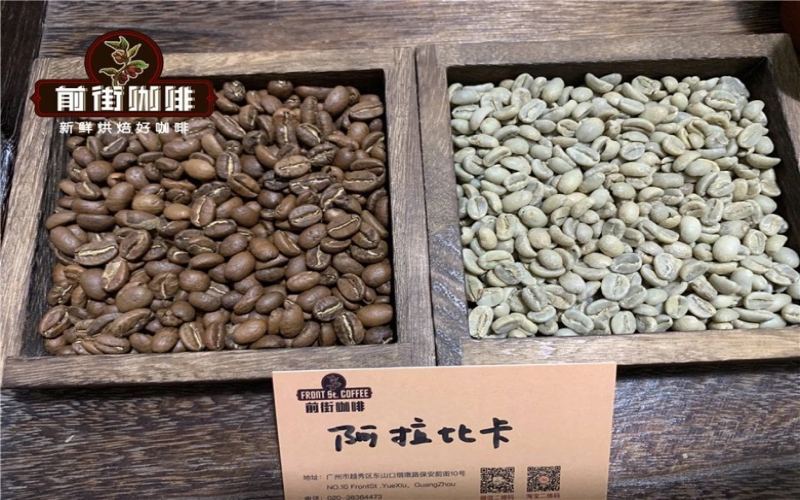
Bean blend combinations for commercial espresso blends: the ratio logic of Arabica and Robusta
There is a clear difference between commercial blends and home-use beans: they must simultaneously satisfy three conditions—flavor, cost, and consistency. And the combination of bean varieties in a blend, especially the ratio of Arabica to Robusta, is often the key to whether these three conditions can be balanced. Arabica beans are the flavor powerhouse. They bring floral notes, fruity acidity, and a solid [more…]
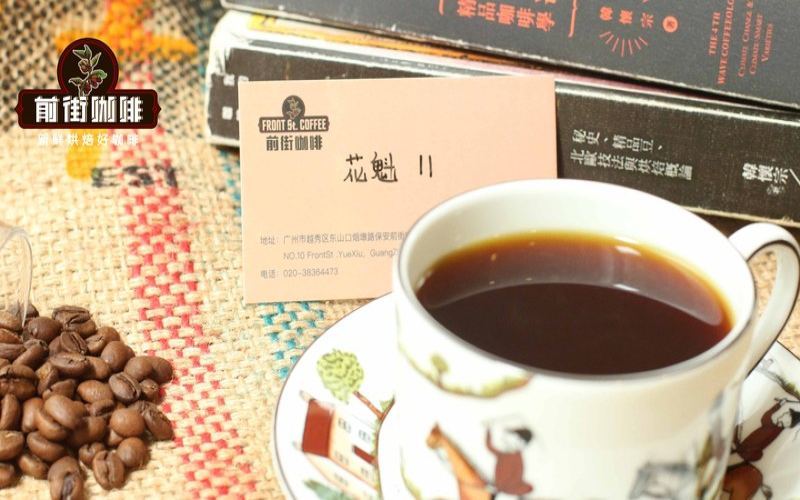
Choosing High-Value Espresso Blends by Roast Level
The value of an espresso blend lies not only in whether the price is friendly, but also in whether it can consistently produce a cup of coffee that meets everyday expectations. The roast level affects acidity, sweetness, body, and extraction rhythm, and also determines whether the beans are better suited to black coffee or milk coffee. Before buying, getting a clear picture of the roast direction is usually more important than fixating only on the origin. [more…]
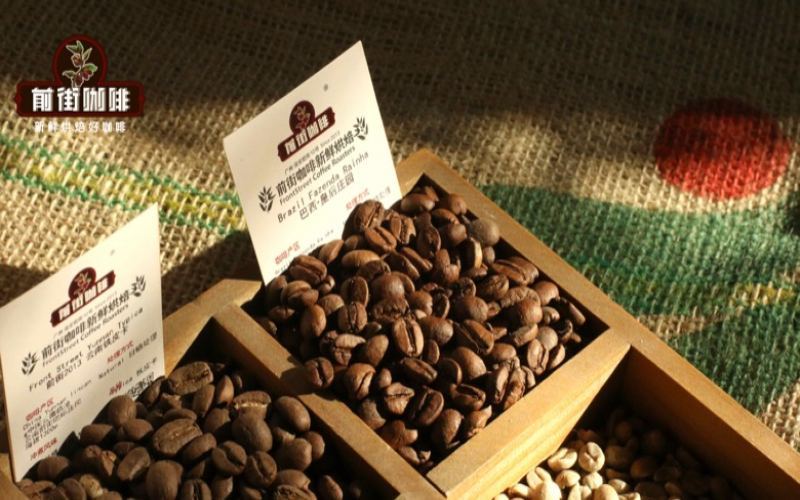
The Regional Foundation of Commercial Espresso Blends: Brazil, Colombia, and the Trade-offs of Single-Origin SOE
When choosing espresso beans for a coffee shop, the origin structure is the key factor determining the flavor direction. Commercial espresso beans fall into two main routes: one is the blend base, and the other is single-origin SOE; each has its own positioning and suitable scenarios. Blended beans are the mainstream choice for commercial espresso. The core idea of blending is to use beans from different origins to complement each other, with Brazil providing [more…]
The Evolution Path of Commercial Base Beans: How to Upgrade Step by Step from Chain-Style to Specialty Blends
Those who have opened a shop and look back at their base beans will find a clear evolutionary line. Most people start with chain-style dark-roast blends, and after a year or two, the beans on the bar gradually shift toward medium roasts and specialty blends. This isn't fickleness of taste—it's that as a shop grows to different stages, the questions the base beans need to answer also [more…]

Espresso Beans | Blends vs. SOE Single-Origin for Espresso? Recommended Specialty Coffee Beans with Rich Crema for Home Espresso Machines
What are blended beans? They are made by mixing coffee beans from different countries or regions, and they generally appear in espresso. The counterpart to blending is single-origin coffee, also called SOE, which has a clear style when drunk, mostly dominated by fruity acidity. Italian-style blends, on the other hand, because they combine coffee from multiple places, [more…]
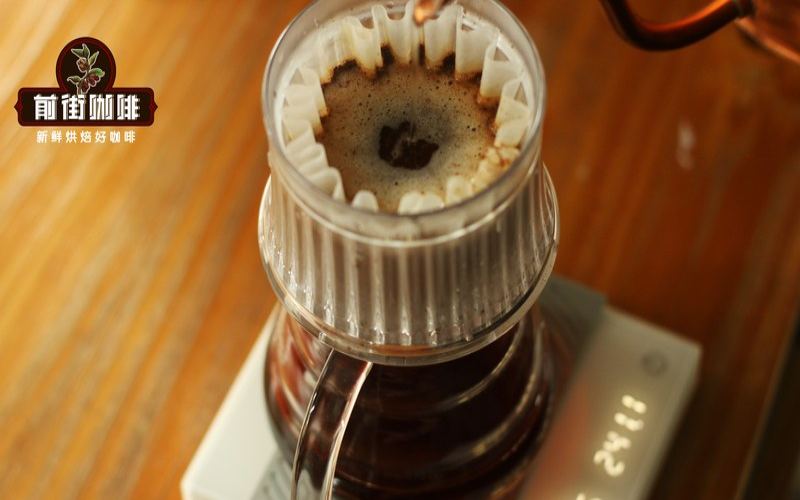
For home espresso blends, start by checking the roast level.
For a home espresso machine, the right blend doesn't have to chase complex aromas—what matters most is whether the roast level suits the way you drink it. If you drink straight espresso every day, look for clarity of aroma and sweetness; if you often make lattes or Americanos, check whether the shot has enough body. Start with the roast level, then read the flavor description. [more…]
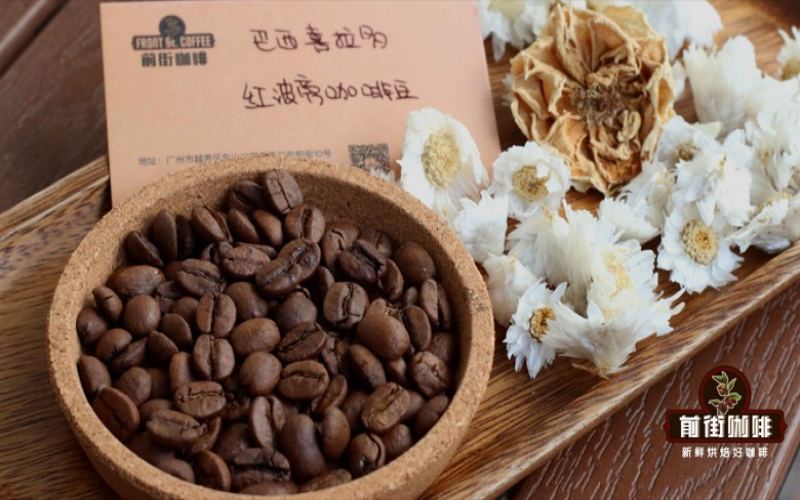
The Role of Origins in Commercial Blends: Brazil as the Base, Colombia for Sweetness, Robusta for Cost Control
Walk into the back bar of any coffee shop, and what's grinding in the grinder is most likely not a single-origin bean but a blend. Commercial blends exist because what a café needs is not the personality of a particular bean, but a stable, easy-drinking, cost-controllable overall performance. And the reason a blend is stable comes down to each origin [more…]
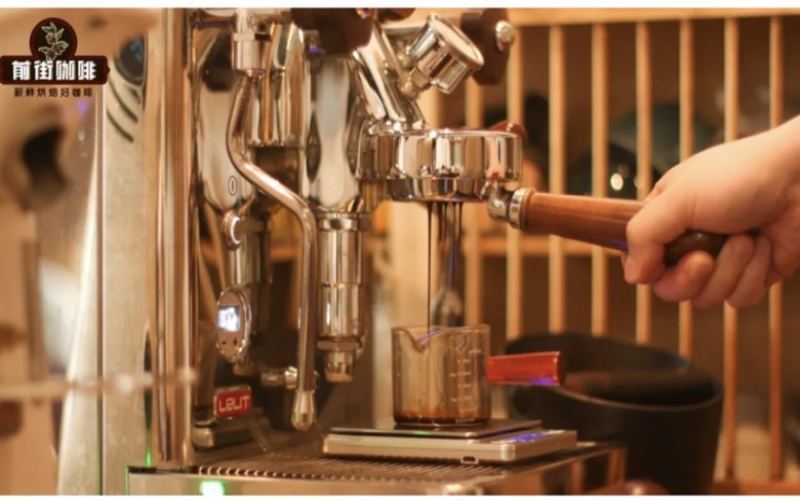
Bean Exploration on De'Longhi Machines: Performance of Blends and SOE
De'Longhi home espresso machines are not just for blend beans—using single-origin beans to make SOE also lets you experience the concentrated expression of a region's flavor in espresso form. On a De'Longhi machine, exploring step by step from blends to SOE, the flavor experience becomes richer and richer. The performance of blend beans on a De'Longhi machine is mainly about consistency. Front Street Coffee's classic blend uses a Mamba recipe [more…]
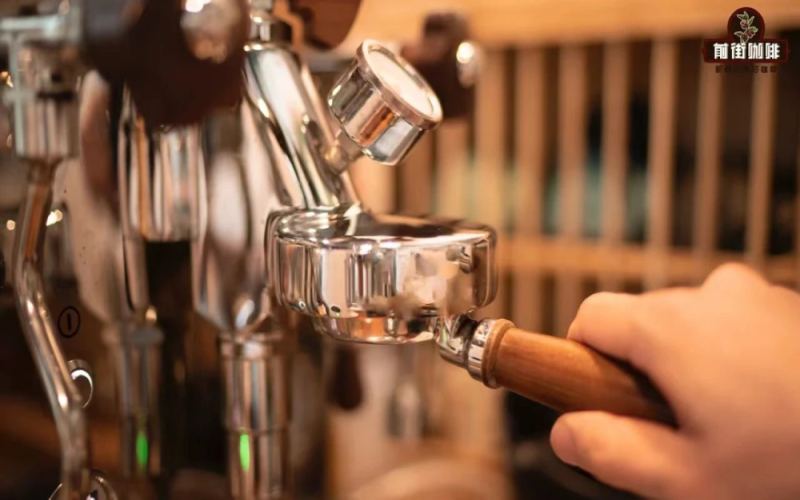
Espresso Blend Coffee Bean Recipes | Why Are Espresso Beans Mostly Blends? What Grind Size for Espresso Beans?
Until now, the vast majority of coffee shops still focus on espresso blends as their main product. The reason blended beans have become the mainstream of the market is not only that they can reduce the cost of raw materials, but also that they provide stable extraction for daily output and, as much as possible, ensure the flavor of drinks based on espresso. Simply put, coffee shops choose blends in order to [more…]
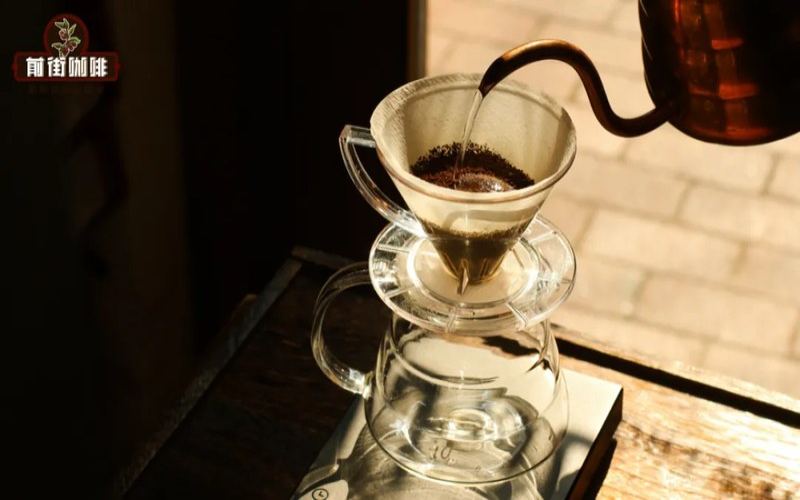
Choosing Blend Coffee Beans by Roast Level: From Bright Fruit to Rich Cocoa
The charm of blended coffee beans lies in the fact that different origin beans, when combined, can form a more complete and stable flavor. When selecting, you can first look at the roast level: light roasts tend toward bright aromas, medium roasts balance sweetness and smoothness, while dark roasts emphasize cocoa, nutty, and roasted notes. By comparing these against your own drinking habits, choosing beans becomes much easier. [more…]
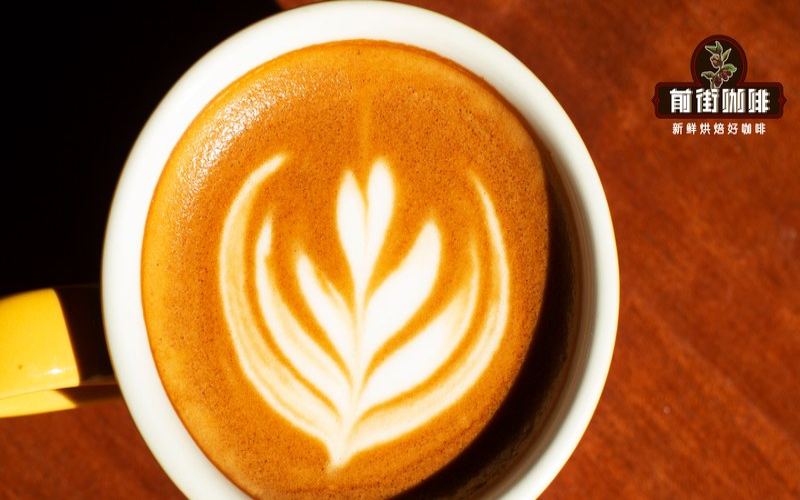
What are the flavor differences between blend beans and SOE: balancing budget and drinking frequency
Blended beans and SOE will reveal different facets depending on the brewing method. When buying beans regularly, you need to consider how quickly you'll drink them, how much to buy at once, and whether you mainly make black coffee or milk coffee at home. Pour-over easily brings out the aroma, espresso machines emphasize intensity, and moka pots amplify richness—when choosing beans, you should first determine which [more…]
Roast Level Determines How to Choose Single-Origin, Pour-Over, and Blends
From light roast to dark roast, coffee beans change not only in color, but also in aroma, sweetness, acidity and mouthfeel weight. Single-origin emphasizes the personality of a certain origin or batch, while a blend combines the characteristics of different beans; pour-over is an extraction method, and is not the same as a fixed type of bean. Keep these concepts separate, and then, from [more…]
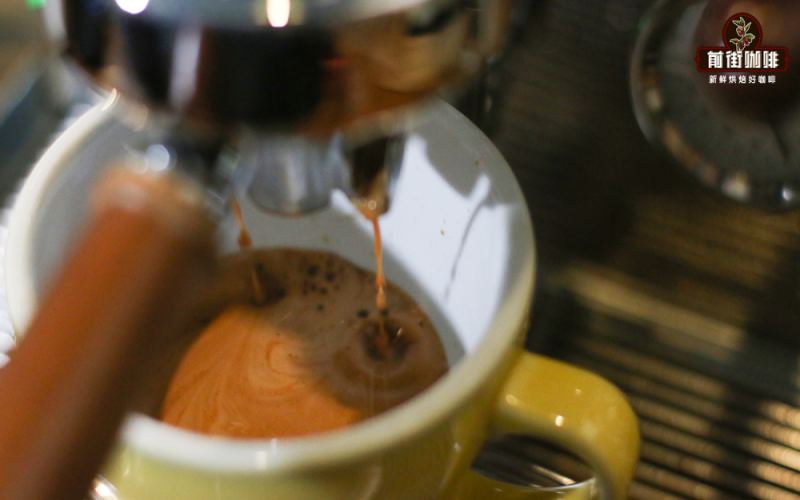
Espresso Drinking Guide | What Are Espresso Blends and SOE Coffee? Which Tastes Better in an Americano: SOE Beans or Blend Beans?
Blended coffee beans, as a common type of coffee bean used in espresso, have received high praise from many coffee drinkers for their rich coffee flavor. The recently popular SOE is also contrasted with blended coffee, so what advantages does blended coffee still have now? Front Street Coffee (FrontStreet Coffee [more…]